Strategic Tips
|
|

Architectural visualization is often viewed primarily as a presentation tool—a way to make a project look impressive before it has been built. While presentation is certainly important, visualization can provide much greater value when it becomes part of the actual design process. A well-developed 3D environment allows designers and clients to see relationships that can be difficult to understand from plans, elevations, material samples, and individual drawings. Problems that may remain unnoticed on paper can become immediately obvious once the viewer sees the complete environment.
Seeing the Design Earlier Can Lead to Better Decisions
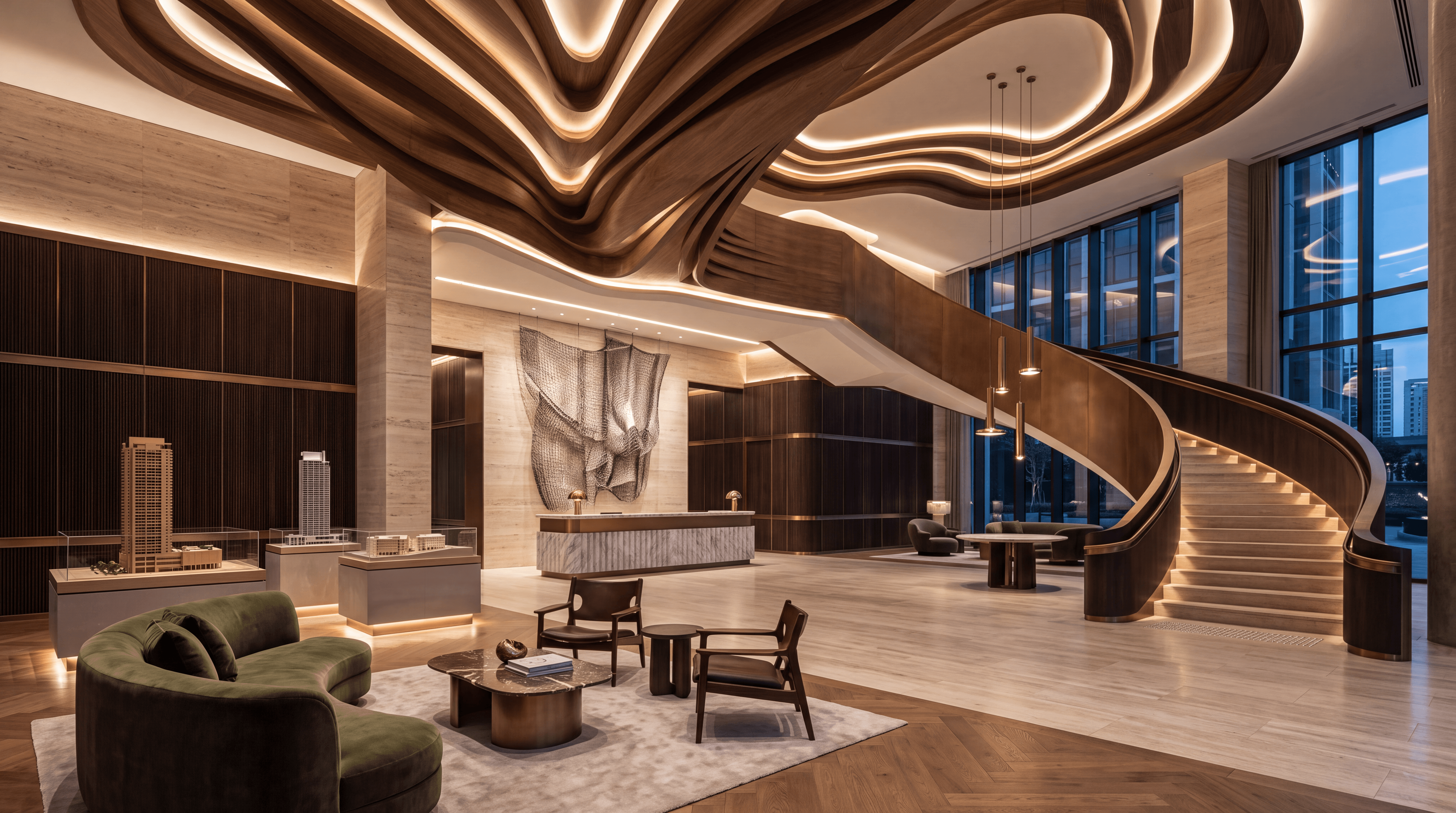
Many expensive project changes begin as relatively small decisions that were difficult to evaluate during the early stages. A piece of furniture may technically fit according to the floor plan but feel oversized once the entire room is visualized. A ceiling feature may look appropriate in elevation but become overwhelming when seen in perspective. Two materials that appeared attractive as separate samples may compete with one another when placed across a large space. Lighting may reveal that an important architectural feature does not have the visual impact originally expected.
Visualization allows these relationships to be reviewed before they become physical. Designers can study different furniture layouts, compare finish options, adjust proportions, evaluate lighting, and understand sightlines while the cost of making changes is still relatively low. Instead of discovering an issue after fabrication or installation, the team has an opportunity to identify it digitally.
It Also Helps Clients Make Decisions With Greater Confidence
One of the greatest challenges in any design project is communication. Designers spend years learning to interpret drawings and imagine three-dimensional space, but clients may not have the same ability. A plan or elevation can contain all the necessary information and still leave the client uncertain about how the finished environment will actually feel. When expectations are different between the design team and the client, changes can occur late in the process simply because both sides imagined something different.
High-quality visualization helps close that gap. When clients can clearly see the proposed environment, they can react to the actual design rather than relying entirely on imagination. They can evaluate materials, furniture, lighting, scale, and atmosphere earlier, which can lead to more meaningful feedback and more confident approvals. The purpose is not simply to impress the client—it is to improve understanding.
The Costliest Change Is Often the One Discovered Too Late
Once construction or fabrication begins, even a simple design modification can affect multiple trades, schedules, materials, and budgets. Moving something that requires only a few minutes in a digital model may become far more complicated once it physically exists. Visualization cannot eliminate every unforeseen condition, but it can help reduce the number of design-related surprises that could have been identified earlier.
At ThomasOn360, we believe the value of visualization extends far beyond producing a final marketing image. When used throughout the design process, it becomes a tool for evaluating ideas, improving communication, identifying issues, and helping both designers and clients make better decisions. The most valuable rendering may not simply be the one that looks the most beautiful—it may be the one that helped prevent an expensive mistake before it happened.