Strategic Tips
|
|

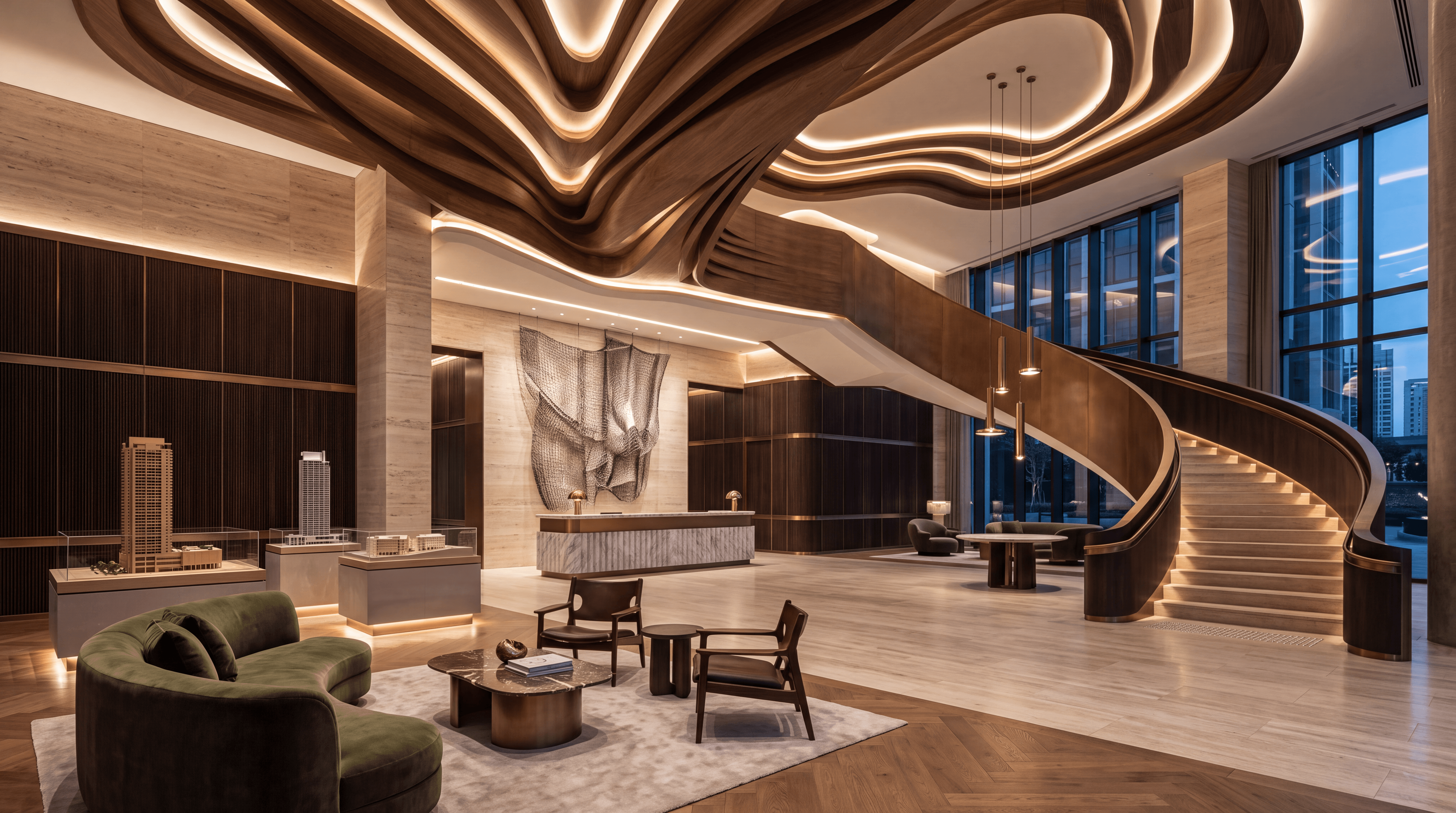
Luxury commercial design is often associated with marble, exotic stone, custom millwork, designer furniture, decorative metals, and expensive lighting. These materials can certainly contribute to a premium environment, but price alone does not create luxury. Some spaces contain extremely expensive finishes yet still feel ordinary, while other environments use a relatively restrained material palette and feel exceptionally sophisticated. The difference is usually found in how the entire experience has been designed. True luxury comes from proportion, atmosphere, lighting, craftsmanship, material relationships, and the way people experience a space as they move through it.
Luxury Begins With the Overall Experience
When someone enters a luxury hotel, restaurant, lounge, or corporate environment, they rarely begin by thinking about the cost of the materials around them. Their first reaction is emotional. They notice the scale of the room, where their attention is directed, how comfortable the environment feels, how lighting changes the mood, and whether the space feels calm, dramatic, intimate, or energetic. These impressions happen before someone recognizes the type of stone on the floor or the manufacturer of a particular chair.
This is why successful luxury commercial design begins with experience rather than decoration. A hotel lobby may need to create an immediate sense of arrival while also making guests feel comfortable enough to stay. A high-end restaurant may need to feel dramatic from the entrance while becoming more intimate around the dining tables. A corporate hospitality space may need to communicate quality and confidence without feeling excessive. Every design decision contributes to this experience, from ceiling height and furniture arrangement to circulation, lighting, artwork, and the way materials transition throughout the environment.
Proportion Can Be More Powerful Than Decoration
One of the most overlooked elements of luxury design is proportion. A large budget cannot compensate for architecture that feels poorly balanced. The relationship between walls, openings, ceilings, furniture, and negative space has an enormous impact on how sophisticated an environment feels. Luxury often comes from giving individual elements enough space to have presence instead of filling every surface with another feature.
Some of the strongest commercial interiors are surprisingly restrained. One carefully designed feature wall, an oversized artwork, a beautifully proportioned reception desk, or a dramatic lighting installation can become much more memorable when the surrounding architecture allows it to stand on its own. Knowing what not to add can be just as important as knowing what to add. Good luxury design requires control and editing rather than simply a larger collection of expensive objects.
Materials Matter Most When They Work Together
Material selection remains extremely important, but premium materials should have a purpose within the overall design. Natural stone can create permanence and weight, wood can introduce warmth, metal can add precision and contrast, glass can create transparency, and textiles can soften an otherwise architectural environment. The sophistication comes from understanding how these materials interact rather than simply selecting the most expensive version of each one.
Details at material transitions are particularly important. How stone meets wood, how a metal edge terminates, how lighting is integrated into millwork, or how the thickness of a surface is expressed can completely change the perceived quality of an environment. These details may not always be consciously noticed by a visitor, but together they determine whether the space feels carefully considered or simply decorated.
Lighting Is One of the Most Important Elements of Luxury
Lighting can transform the same architecture into entirely different experiences. Even the most beautiful stone or wood can appear flat under poor lighting, while carefully controlled illumination can reveal texture, create depth, and direct attention toward important architectural features. In luxury hospitality environments, lighting is often responsible for much of the emotional character of the space.
The strongest lighting schemes typically use multiple layers instead of relying on one source. Architectural lighting can define walls and ceilings, decorative fixtures can become visual features, concealed lighting can introduce depth, and table or floor lighting can create intimacy. The relationship between brightness and shadow is equally important. Luxury does not necessarily mean illuminating everything. Often, the darker areas are what allow highlighted surfaces and objects to become more dramatic.
Visualization Helps Refine Luxury Before It Is Built
High-quality visualization has become particularly valuable in luxury commercial design because many of these relationships can be difficult to judge from plans and material samples alone. Designers can study how surfaces respond to lighting, whether furniture feels correctly scaled, how architectural elements relate from different viewpoints, and whether the overall atmosphere matches the original design intent.
At ThomasOn360, we see visualization as part of the design process rather than simply a final presentation tool. Combining design experience with professional 3D visualization and newer AI-assisted workflows allows ideas to be explored earlier and adjusted before costly decisions are made. The objective is not simply to create images that look expensive. It is to help create environments where architecture, materials, lighting, furniture, and experience work together so naturally that the result simply feels luxurious.